A Shift in National Selection Dynamics
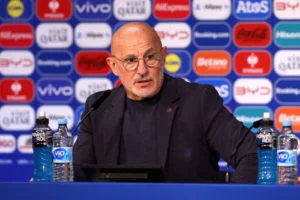
In a striking departure from historical norms, Spain's national football team will enter this summer's World Cup without a single player from Real Madrid. Head coach Luis de la Fuente's announcement of a 26-man squad signals a definitive turning point in Spanish football, underscoring the rising influence of clubs other than the illustrious Madrid side. For decades, players from Real Madrid have been mainstays on the national team. The absence of any representation begs a closer look at shifts in club and player dynamics within Spanish football.
Historical Context of Real Madrid's Dominance
Real Madrid, alongside FC Barcelona, has long been a pillar of Spanish football. Historically, these clubs have not just dominated La Liga; they've also supplied a significant portion of players to the national team. The significance of this trend isn't merely a matter of statistics; it reflects the broader culture and pride associated with these clubs. Real Madrid's success in both domestic and international competitions often translated into a powerful presence on the national squad. Yet this summer's selection indicates that such a monopoly may be waning.
The club has been a breeding ground for talent, often resulting in several Los Blancos players being featured in major tournaments. To see a notable absence, therefore, is more than just an anomaly; it's indicative of a potential shift in training, scouting, and player development paradigms within Spanish football. Other clubs are stepping up, producing players who can compete at the highest levels, thereby reshaping the national team's identity.
Emerging Talents Shine Amid Uncertainty
Among the standout selections is Lamine Yamal, who has made headlines despite fitness concerns stemming from a hamstring injury that curtailed his season with FC Barcelona. His inclusion in the squad raises important questions about the tactical choices being made. While Yamal showcases immense potential, relying on a young player who’s recently been sidelined by injury might reflect a gamble by the coaching staff.
Furthermore, other players like Nico Williams and Mikel Merino have also made the roster despite worries about their physical condition. This trend reveals a strategic pivot in how the national team is approaching player selection—favoring youth and perceived potential over established experience. The reliance on young talent could add a fresh dynamism to the team but also carries risks that could impact Spain's campaign in the tournament.
What Does This Mean for Real Madrid?
The absence of Real Madrid players from the national squad won't just impact the team's performance in the World Cup; it raises broader questions regarding the club's standing in the Spanish football hierarchy. As other clubs rise to prominence, Real Madrid might need to reassess its player development strategies. The tradition of nurturing homegrown talent has long been overshadowed by significant investment in high-profile transfers. With the national team selection reflecting the emerging power of other clubs, the Madrid board might need to reconsider where its future investments should lie.
Moreover, the exclusion from the national selection could impact Real Madrid's morale and player motivation. For players, being part of the national team is a prestigious achievement. An absence from international tournaments often leads to discussions around potential future transfers, leading to shifts in player loyalty and club dynamics.
Broader Implications for Spanish Football
From a national perspective, this shift signifies a redefining of identity in Spanish football. The growing representation of players from clubs like Valencia, Sevilla, and Atletico Madrid challenges the long-standing notion of dominance by Barcelona and Real Madrid. Emerging clubs have invested heavily in their youth academies, and this strategy appears to be paying off as talented young players make their mark on the national stage.
This trend coincides with broader changes across European football, where the influence of money and management strategies is often cited as a cause of shifts in club dominance. Teams that have focused on sustainable development are increasingly gaining traction, countering the traditional big-money signings that once dictated player rankings.
Looking Ahead: A New Era?
The implications of not selecting any Real Madrid players may resonate far beyond this tournament. If you're working in this space, it could reshape how clubs approach player scouting and development in Spain. What this means for you, as a football enthusiast or a professional connected to the sport, is a potential shift towards clubs taking risks with younger talent and building a cohesive unit that moves away from reliance on traditional powerhouses.
This reconfiguration of priorities may even alter how coaches like Luis de la Fuente view their roles. They might prioritize a set of skills or a playing style that aligns more with the athletes they have at their disposal over historical ties to particular clubs. A new era for Spanish football may be arriving, marked by diversity in club representation and a less hierarchical approach to talent selection.
In essence, Spain's World Cup squad—devoid of Real Madrid players—could mark not just a momentary anomaly but the beginning of a significant evolution in the fabric of Spanish football. And yet, the bubbling question remains: can this youth-driven strategy deliver results on the world stage? Time will tell.