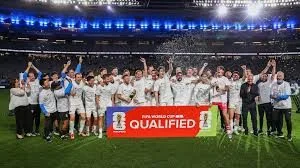
Iran's World Cup Plans Shift to Mexico
June 5 — In a surprising turn of events, Iran's national football team has relocated their training base for the 2026 World Cup from Tucson, Arizona, to Tijuana, Mexico. This move comes after the U.S. indicated their preference against hosting the Iranian squad, a decision that propelled FIFA to seek alternatives for the team. Mexican President Claudia Sheinbaum extended a warm invitation to the Iranians, emphasizing her government’s readiness to host the finalists.
The Political Underpinnings of Sports
At this juncture, it’s important to consider the political dimensions of sports, especially in the realm of global events like the World Cup. The U.S. government's stance on Iran is complicated and multifaceted, shaped by decades of geopolitical tension. Iran has been embroiled in international conflicts and disputes, leading to its current status as a pariah state in the eyes of many Western nations. The refusal to host the Iranian team is less about football and more about longstanding political disagreements.
Historically, sporting events have served as a platform for political statements and international relations. Think about the 1980 Moscow Olympics, where the U.S. led a boycott in protest of the Soviet invasion of Afghanistan. In this context, Iran’s relocation to Mexico casts a spotlight on how sports, particularly international competitions, can mirror global politics. The Iranian players aren't just athletes; they're symbols of their nation’s complex international standing.
Logistical Challenges and Opportunities
With the move to Tijuana, logistical concerns inevitably arise. The Iranian team will need to acclimate to a new environment while preparing for their matches against Belgium, Egypt, and New Zealand, all taking place in the United States. Training in Tijuana offers its own advantages, such as being geographically close to the venues. However, it also comes with challenges in terms of security, fan engagement, and operational coordination with FIFA and the host countries.
Club Tijuana's facilities may provide a suitable training environment, but the transition might disrupt the team's preparation. They'll need to foster team chemistry and focus amid all this change. If you're working in this space, you realize how crucial a stable training environment is for a successful tournament run. The psychological impacts of such a switch shouldn't be overlooked, either. Players must adapt quickly, as the stakes are incredibly high.
Broader Implications for International Sports
This situation isn’t just a one-off incident. It showcases how international sports events grapple with politics. The relationship between sports and diplomacy is intricate, often fraught with tension. Iran's predicament underscores the potential ramifications for other teams that may find themselves in precarious political situations. Will other teams face similar challenges? Potentially. Several nations have faced societal pressures or political challenges that have influenced their participation or training in international competitions. This can lead to a cascading effect where sportsmanship is overshadowed by geopolitical dynamics.
Moreover, the way FIFA navigates this scenario could set a precedent for future events. If FIFA’s mission is indeed to promote football as a unifying force, then the organization faces a daunting task in managing political relations among participating nations. As we've seen in recent events, the balance of politics and sports is delicate, and how it's handled can shape the narrative of not just the World Cup, but also future competitions.
Public and National Sentiment
The Iranian populace's view of this relocation is also significant. Many Iranians, especially younger generations, see the World Cup as an opportunity for their nation to be represented on a global stage despite the government's controversies. Yet, being sidelined by the U.S. can have disheartening implications. Sports usually work as a unifying force, but they can also amplify feelings of isolation and misrepresentation. The emotional weight of this relocation cannot be underestimated, as it plays into a broader narrative about national pride and international acceptance.
But amidst the sorrow, there’s hope. Mexico's warm invitation to Iran can be framed as an act of solidarity, reminding us that politics doesn’t always have to define sports. (And this is the part most people overlook.) When nations can unite through the spirit of competition, it creates a rare opportunity for dialogue and understanding.
Future Outlook
As the World Cup looms closer, this incident invites speculation about what other diplomatic challenges might emerge. Will nations reconsider their participation based on political climates? How will FIFA continue to address the intricacies of hosting teams that face international scrutiny? There's no simple answer, and that uncertainty adds an extra layer of intrigue to the approaching tournament.
A shift of this nature can influence not just the teams involved but the entire culture surrounding the World Cup. The pressure to navigate such complex issues responsibly weighs on the shoulders of FIFA and participating nations alike. Each decision becomes a reflection of broader socio-political landscapes, often influencing public perception long after the event has concluded.
In wrapping this up, Iran's training base move to Mexico isn’t merely an operational change; it’s a reflection of how intertwined sports and politics are. How this plays out could have lasting implications for international sports and diplomatic relations at large.
The post Iran ‘welcome’ in Mexico after US World Cup snub appeared first on Inside World Football.