Infantino asserts support as another term looms
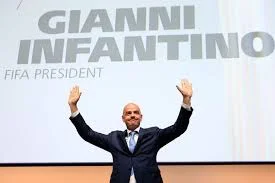
Gianni Infantino says he has the backing of “the vast majority” of football associations as he seeks another term leading FIFA. The claim comes as he faces criticism over the abandoned FIFA Forward Enterprise proposal, which would have involved selling World Cup rights to private equity. The two issues now sit side by side: his account of political support and questions about a proposal that raised concerns over how one of football’s most valuable assets might be financed.
Speaking to the BBC on the sidelines of the U-15 World Cup in Baku, Azerbaijan, Infantino defended his actions and laughed off a suggestion that he resign. That response projects confidence, but it doesn’t settle the underlying questions. The reported backing is his characterization of the support he has, while the source provides no count of associations, details of their positions, or explanation of how support was assessed.
What the rights proposal put in focus
The abandoned FIFA Forward Enterprise proposal is significant here because it concerned World Cup rights, not merely an internal administrative change. Rights to a major tournament can carry commercial value and influence how revenue is raised and distributed. Bringing private equity into that discussion would therefore invite questions about ownership, control, expected returns, and the terms on which future income might be committed. The source doesn’t give the proposal’s structure, so those questions remain questions rather than established features of the plan.
Private equity is a broad category of investment. In general, firms in this field invest capital in exchange for a financial stake or a claim on future returns, with the details depending on the arrangement. Applied to sports rights, that kind of financing can promise access to money or commercial expertise, while also creating debate about who bears risk and who benefits. The label alone doesn’t reveal whether an investor would have received a stake, a share of revenues, or some other form of return.
That distinction matters. A proposal to sell rights can mean different things depending on what is being sold, for how long, and what decisions the buyer can influence. Without those terms, it’s difficult to judge the proposal’s practical effects. The fact that it was abandoned tells readers the plan didn’t proceed; it doesn’t, by itself, explain why it was dropped or whether its central idea could return in another form.
Support and criticism can coexist
FIFA is a global governing body whose leadership depends on relationships with football associations across many countries. A president’s ability to claim broad backing is politically meaningful, especially when seeking another term. But a large coalition doesn’t automatically mean that every disputed decision has been accepted, or that every association would describe its support in the same terms. Institutional backing and criticism of a particular proposal can coexist.
That’s the tension in Infantino’s statement. He presents himself as having the support needed to continue, while the abandoned proposal remains a source of criticism. Those facts aren’t contradictory: associations can support a leader for reasons that aren’t captured by one controversy, and critics can challenge a policy without calling for a change at the top. The available account doesn’t identify who supports him, who objects, or what reasons either side gives.
Here’s the thing: “the vast majority” is persuasive language, but it’s also imprecise. It suggests strength without telling the reader how wide that strength is or what it rests on. In an election for an organization’s leadership, the details of the process and the stated positions of members matter more than a broad description offered in an interview. The claim is newsworthy, but it shouldn’t be mistaken for a full account of the political picture.
The interview setting shapes the message
Infantino made the comments to the BBC at the U-15 World Cup in Baku. The setting puts his remarks within the public face of FIFA: an event focused on youth football, with the organization’s president available to speak about his leadership and criticism. It also gives him a chance to answer questions directly. The source doesn’t provide the full interview, however, so readers can’t assess the complete exchange or how his explanation developed.
Laughing off a suggestion that he resign is a visible response, but it isn’t evidence that the criticism has been answered. A leader can use humor to signal confidence or to reject the premise of a question; either way, the gesture tells us little about the merits of the underlying dispute. The more useful test is whether the organization offers clear information about the proposal and the reasons it was abandoned.
And yet the delivery matters. Public statements by senior sports officials can reassure supporters, discourage speculation, or signal that leadership sees little reason to retreat. They can also leave skeptics unconvinced when they don’t address the substance. The source gives Infantino’s position, but it doesn’t include a response from critics or a detailed account of what the proposal would have meant.
Why the next explanations matter
For football associations, the immediate issue is whether Infantino’s claim of broad support reflects their own views and how they assess his leadership. For people who follow FIFA’s finances, the unresolved issue is what the abandoned plan would have changed about the use of World Cup rights. Those are related questions, but they require different evidence: one concerns political support, the other the design and consequences of a financing proposal.
If you’re working in this space, the practical lesson is to separate a leader’s account of support from the record of a contested policy. The proposal’s name and broad description don’t answer questions about duration, control, financial terms, or accountability. (And this is the part most people overlook.) Without those details, confident claims on either side risk running ahead of what’s known.
This is more significant than it looks because the dispute touches both governance and the commercial value attached to the World Cup. Still, the source supports only a limited conclusion: Infantino says most associations back him, he defended his actions in a BBC interview, and the proposal to sell World Cup rights to private equity was abandoned after attracting criticism. Whether his support remains durable, and what lessons FIFA draws from the proposal, will depend on information not included here.
For now, the clearest test is transparency. FIFA can explain what the proposal contained, why it was considered, and why it didn’t proceed; associations can make their positions clearer. A claim of support can shape the political conversation. Concrete answers can show what that support does, and doesn’t, mean.
The post Infantino laughs at resignation suggestion, saying he has ‘vast majority’ appeared first on Inside World Football.