A regional pledge amid unresolved criticism
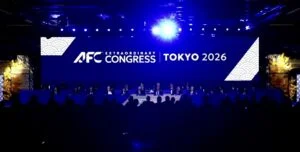
Gianni Infantino has secured the Asian Football Confederation’s backing for a fourth term as FIFA president, even as questions about his leadership remain unsettled. AFC president Shaikh Salman bin Ibrahim Al Khalifa pledged Asia’s support on October 23. The announcement gives Infantino a significant regional endorsement, but it doesn’t answer the concerns that prompted criticism of his handling of FIFA’s commercial rights proposal.
The timing matters. The AFC had earlier called for Infantino’s removal over his approach to an effort to sell FIFA’s commercial rights, known as the FFE scheme. That makes the new pledge more than a routine expression of support: it marks a shift in the confederation’s stated position while the underlying issue is still being discussed. The source doesn’t explain what changed inside the AFC, so the endorsement shouldn’t be treated as proof that the earlier objections have been resolved.
Infantino apologized for his mistake at last week’s FIFA Council meeting and promised to answer questions about the proposal and growing dissatisfaction with his leadership. That response acknowledges a problem, but an apology and a commitment to provide answers are only the beginning of an accountability process. What matters next is whether the promised explanations address the specific concerns that have been raised, and whether those explanations satisfy the people who raised them.
What an endorsement can—and can’t—signal
In international sports governance, support from a regional confederation can matter because it signals that a bloc of national football associations is prepared to stand behind a candidate. It can shape the political atmosphere around a leadership contest and strengthen a president’s position among stakeholders. But an endorsement isn’t the same thing as a completed election, and it doesn’t establish that every member shares the same view or that all criticism has gone quiet.
Here’s the thing: a public pledge is easy to read as a verdict on the dispute. It’s better understood as a sign of where the AFC leadership stands at this moment. The pledge gives Infantino a key regional endorsement as the concerns remain unresolved. That combination—support on one side, unanswered questions on the other—is the core of the story.
There’s also a difference between backing a candidate and backing the decisions that candidate has made. A confederation might support a president for reasons tied to continuity, access, or its assessment of the available choices, while still expecting answers about a particular proposal. The source doesn’t state why the AFC changed course, and it would be speculative to assign a motive. The distinction still matters: political support can coexist with reservations.
The FFE scheme remains the test
The commercial rights proposal sits at the centre of the dispute. Selling or reorganizing commercial rights can affect how a sports body presents and manages its business opportunities, but the source gives no details about the FFE scheme’s structure, terms, or intended buyers. Without those details, it’s not possible to assess the proposal’s merits or identify the precise concerns behind the criticism. What can be said is that the handling of the effort has become a test of Infantino’s leadership.
For organizations such as FIFA, commercial decisions carry more than a financial dimension. They can raise questions about who was consulted, how options were presented, and whether decision-makers received clear answers before taking a position. Those are common governance questions around major rights proposals; they aren’t claims about what happened in this case. Infantino’s promise to answer questions points directly to that scrutiny, but the source doesn’t say when or how he’ll provide further detail.
(And this is the part most people overlook.) Saying that questions will be answered doesn’t tell the public whether the answers will be detailed, independently assessed, or persuasive to the critics. Process matters, but so does substance. If the explanation leaves the central objections untouched, the apology may do little to rebuild confidence.
Why the shift deserves scrutiny
The change in the AFC’s position is more significant than it looks. An earlier call for removal followed by support for another term creates an obvious question about what the confederation now considers sufficient. The available account doesn’t provide that explanation. Until it does, the pledge establishes political support, while the reason for the shift remains unclear.
That gap shouldn’t be filled with assumptions. It could reflect a changed view of the proposal, a reassessment of the leadership dispute, or other considerations; the source doesn’t identify which, if any, applies. A careful reading keeps those possibilities separate from the facts. The fact is that Shaikh Salman has pledged Asia’s support, after the AFC had previously called for Infantino’s removal.
If you’re working in football governance, the episode is a reminder that public backing and institutional confidence aren’t interchangeable. Support may help a leader consolidate a position, but confidence depends on how concerns are handled after the announcement. In this case, the promised answers will carry more weight if they address both the commercial rights effort and the broader dissatisfaction with Infantino’s leadership.
What comes next
The endorsement gives Infantino a stronger platform as he seeks a fourth term, but it doesn’t close the argument over his conduct. His apology recognizes a mistake; his promise to respond creates an expectation that he’ll explain the proposal and engage with criticism. Whether the AFC’s support holds, and whether other stakeholders find his answers convincing, can’t be established from the information available here.
For now, the story is one of political support arriving before the underlying dispute has been settled. That’s a useful distinction for readers following FIFA: the endorsement is a concrete development, while the effect on confidence in Infantino’s leadership remains an open question. The next meaningful measure won’t be the pledge alone. It’ll be the quality of the answers that follow.
The post Bad hair day for Asians, good one for Infantino as AFC backs him for another term as FIFA president appeared first on Inside World Football.