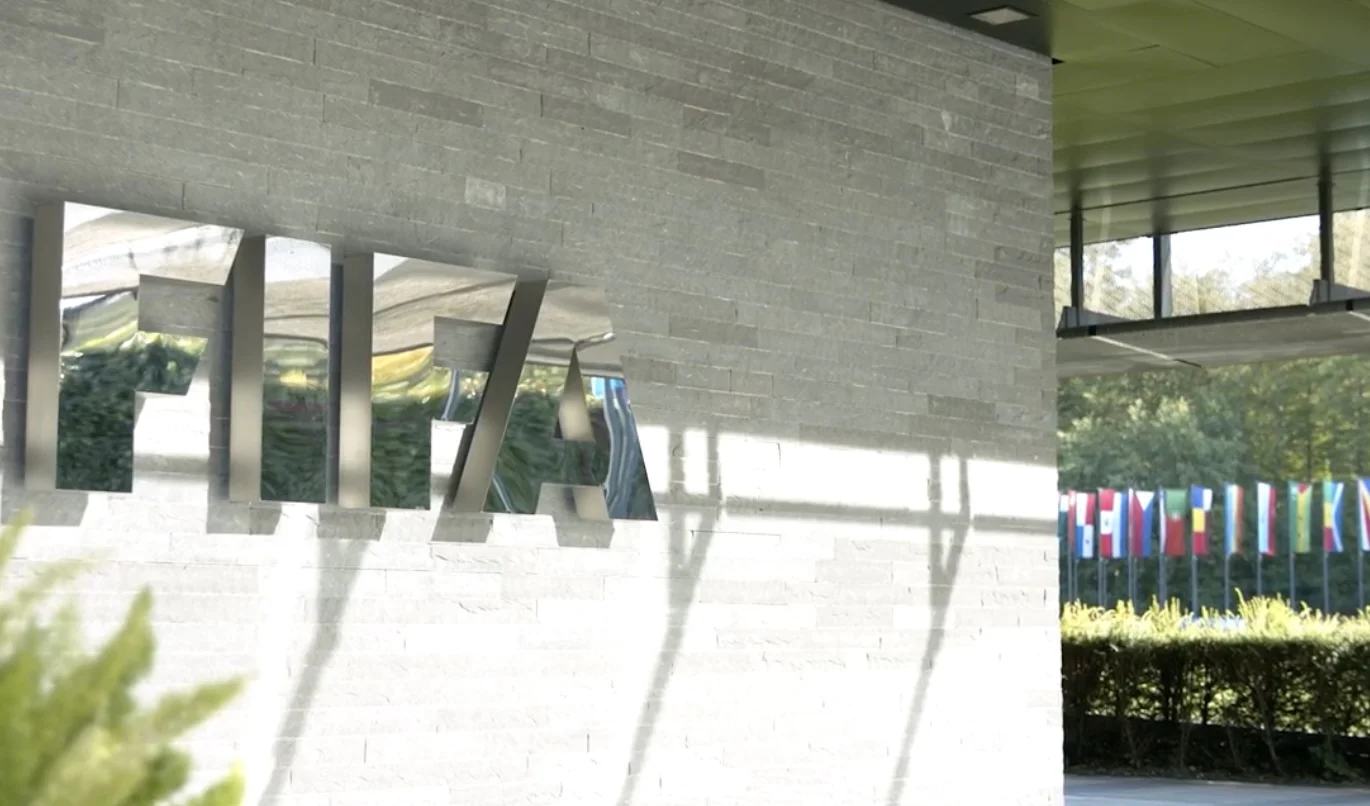
FIFA puts two World Cups on the table
FIFA is using the record U.S. audience for the 2026 World Cup to sharpen its pitch for the next two tournaments. The organization has opened bidding for U.S. media rights to the 2030 event, and bidders can include the 2034 tournament in their proposals. That pairing gives FIFA a way to sell more than a single tournament cycle while inviting distributors to make a longer commitment to the competition.
The timing matters. The 2026 audience figures give FIFA a recent success story to bring into negotiations, but they don't guarantee that U.S. viewers will watch the next editions at the same scale. Bidders will have to judge whether the appeal of the tournament can compensate for less convenient kickoff times and how much of that audience can be turned into dependable advertising and subscription value.
What the tender allows
Broadcasters and streaming services have until noon EST on November 19 to submit bids covering the United States and Puerto Rico. FIFA is inviting both types of distributors and says it's open to “innovative approaches” for reaching larger audiences. That language leaves room for proposals that combine traditional television with streaming distribution, though FIFA hasn't specified what kinds of packages it would accept.
The tender also leaves room for more than one rights holder. That could let FIFA divide coverage by language, platform, or another arrangement, but the organization hasn't said how it will structure the sale. In particular, it's still unclear whether English- and Spanish-language rights will be offered together or separately. That decision could shape which companies can bid and how they value the package.
Record audiences, different time zones
FIFA says the expanded 2026 tournament averaged 13.5 million U.S. viewers across television and streaming for its 104 matches, a 166% increase on Qatar 2022. Each U.S. national team match drew more than 20 million viewers, and the final averaged 63 million—the largest U.S. audience ever recorded for a football match. The figures give FIFA a strong case that the tournament can attract viewers well beyond its most devoted fans.
But these totals describe a tournament played largely on home soil, a condition that won't carry over to the next editions. Spain, Portugal and Morocco will host the bulk of the 2030 competition, alongside three centenary matches in Argentina, Paraguay and Uruguay. Saudi Arabia is set to host in 2034. For U.S. audiences, matches played across those locations are likely to land at less convenient local hours than games hosted in the United States.
That difference matters commercially. A large audience is valuable, but its size and consistency can depend on when matches air, how easily fans can find them, and whether they can watch live. FIFA appears keen to use the 2026 momentum to offset that uncertainty, packaging the two upcoming tournaments as an opportunity for bidders to reach American fans across multiple cycles. The pitch is clear; the viewing conditions are less certain.
A wider field and uncertain price
Fox and Telemundo have carried the last three men’s World Cups in the U.S., in English and Spanish respectively. The next bidding round could draw a broader mix of competitors. Industry reporting earlier this year named ESPN, Netflix, YouTube and Amazon Prime Video alongside the incumbent networks as potential contenders. Their interest would reflect the value of live sports to both established broadcasters and streaming services seeking programming that can draw viewers at a particular time.
Still, the list of possible bidders isn't evidence that they will all submit offers. Each would have to weigh the rights cost against the size and timing of the audience it expects to reach, as well as the distribution model FIFA permits. If you're working in this space, the open question is whether the tender's flexibility makes the rights more accessible or simply harder to value.
The value of the rights remains uncertain. Estimates have put the combined price for the 2030 and 2034 tournaments as high as $4 billion, though FIFA hasn't confirmed a figure. That estimate is a negotiating reference, not a disclosed sale price. The gap between an ambitious asking price and what bidders believe they can earn will matter more when the next tournaments aren't being played in the U.S.
Advertising also complicates comparisons. Hydration breaks at the 2026 World Cup created additional in-game inventory, with Fox reportedly gaining between $250 million and $330 million in advertising revenue. FIFA hasn't said whether those breaks will be mandatory in 2030. Without that detail, bidders can't assume the same advertising opportunities will be available in the next tournament.
The test for FIFA's pitch
Secretary general Mattias Grafström said FIFA wants a partner able to reach fans “wherever and however they choose to watch”. The challenge for bidders will be to price the audience FIFA demonstrated in 2026 against the less favorable time zones ahead. They'll also have to account for how the rights are divided and which commercial opportunities repeat in 2030.
This is more significant than it looks: FIFA is testing whether a record audience in one host market can support the value of rights in later tournaments with different conditions. A multi-tournament proposal may help buyers plan across cycles, but it also ties their valuation to events that are years away and not yet proven with U.S. viewers. And this is the part most people overlook: the strongest audience figure in the pitch comes from a tournament whose home-market advantage won't be there next time.
For FIFA, the immediate test is whether that record can translate into higher U.S. rights income. For broadcasters and streaming services, the calculation is more practical: how much can they pay for an audience that may be large, but harder to gather live? The answer will take shape through the bids.
A promising audience, then. A less predictable schedule.
Contact the writer of this story, Harry Ewing, at [email protected]