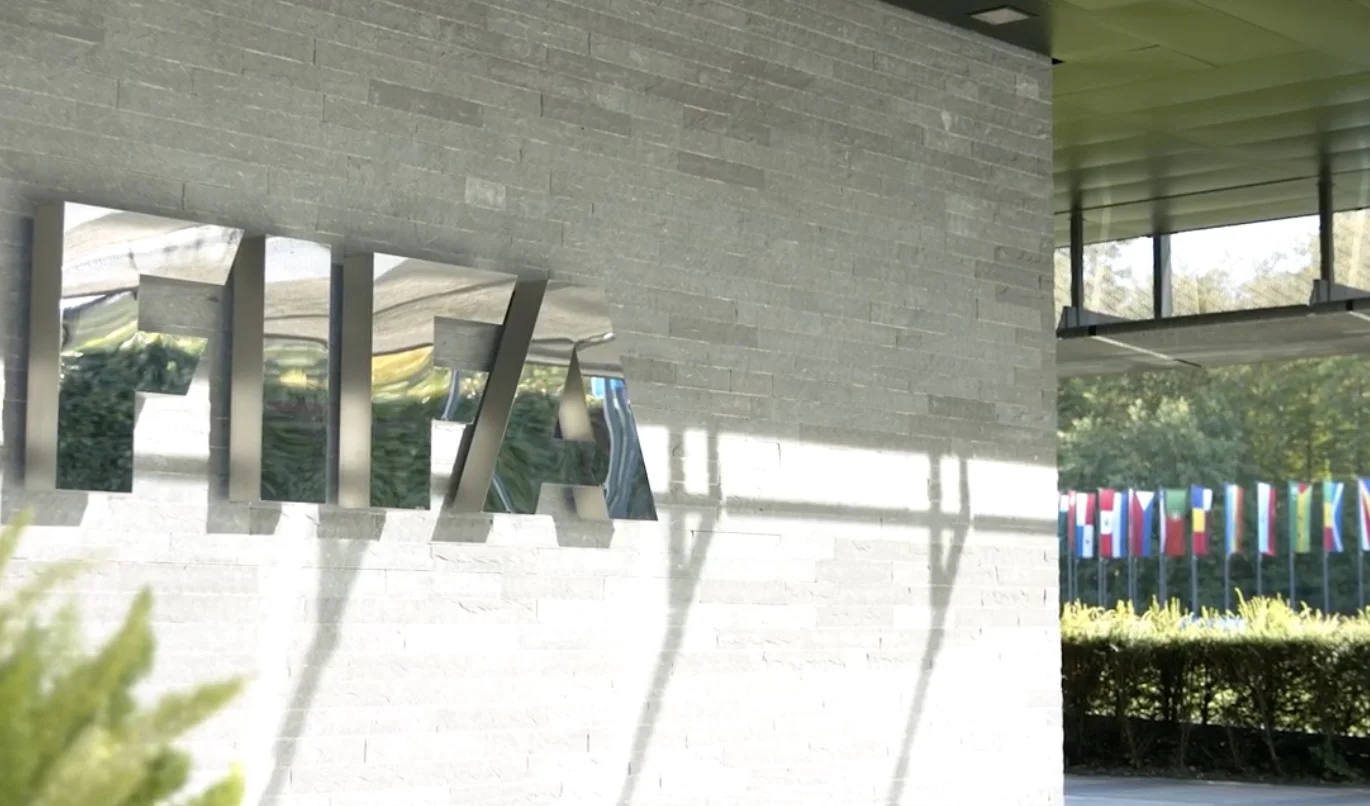
A dispute over FIFA’s leadership
The Welsh FA’s opposition to Gianni Infantino reflects a broader demand for FIFA to change how it’s run. Chief executive Noel Mooney says the association still believes the FIFA president should resign over plans to sell off the World Cup. The argument, as Mooney presents it, isn’t limited to one disputed proposal: it also concerns who gets to make major decisions about the sport and how much accountability that person faces.
“The governance of the global game needs to be reviewed – the system is not working for us,” Mooney said. Wales was the first country to say it wouldn’t back Infantino’s re-election, he added, and “our position certainly hasn’t changed.” That refusal matters because it puts a national association’s opposition on the record, even as FIFA’s wider electorate may be moving in a different direction. It also signals that, for Wales, the question of leadership can’t be separated from the structure around it.
Mooney said FIFA’s leader should act as a moral guardian and put the game’s interests first. But the Welsh FA’s concern extends beyond the president’s conduct: Mooney argued that football governance shouldn’t concentrate so much authority in one person. “It’s crazy,” he said. That’s a blunt description of a system whose decisions affect associations across the game, and it points to a dispute about institutional design as much as personal judgment.
Support builds as scrutiny continues
Infantino said over the weekend that he had the support of the “vast, vast majority” of FIFA’s electorate. The Asian Football Confederation endorsed him at its extraordinary congress in Tokyo last week. Those statements show that the contest over his position is taking place on two tracks: some associations are pressing for scrutiny, while others are publicly backing his leadership. An endorsement from a regional confederation is a meaningful signal of support, though it doesn’t settle the questions Wales is raising about FIFA’s governance.
Wales was among the first associations to withdraw its support in August, after reports emerged about Infantino’s proposal to privatise the World Cup through FIFA Forward Enterprise (FFE). The source doesn’t spell out the proposed structure or the terms of the plan, so its practical effects remain unclear here. But a proposal to sell off or privatise an event as central to FIFA’s identity naturally raises questions about control, priorities, and who would benefit from the change. Those are questions an association can reasonably expect the organisation to answer before it’s asked to accept a new arrangement.
The dispute has since become FIFA’s most significant crisis since the 2015 FIFAGate scandal. That comparison gives the current row weight, but the source doesn’t claim the two episodes are alike in cause or detail. The relevant point is that the argument has grown beyond a single association’s objection: it now puts FIFA’s decision-making and transparency under wider scrutiny. Here’s the thing: when an organisation’s leadership says it has broad support, the quality of its answers to critics still matters.
Infantino has responded to calls for his resignation by campaigning for support around the world. He has travelled on a private jet provided under Qatar Airways’ sponsorship agreement with FIFA. The source offers no further details about those trips or the terms of the sponsorship, so it’s not possible to draw conclusions about their cost or purpose beyond the reported travel. Still, the detail sits awkwardly beside a debate about public trust: the image of a president canvassing support while critics ask for more disclosure is likely to keep attention on how FIFA operates.
(And this is the part most people overlook.) Support and accountability aren’t the same measure. A president may have backing from many voters and still face legitimate questions about how major proposals are developed, explained, and reviewed. The Welsh FA’s position asks FIFA to address both issues: whether Infantino should remain in office, and whether the organisation gives its president too much control in the first place.
Funding, disclosure, and the next test
At a FIFA Council meeting in Zurich last week, members approved an increase in development funding for national associations, from $10 million to $25 million over the next four-year cycle. That’s a substantial increase in the amount described, and it gives associations a direct stake in FIFA’s decisions about distributing funds. Yet the funding decision doesn’t, by itself, resolve the dispute over FFE or the concentration of authority. For readers trying to assess the politics, the two issues should be kept distinct: one concerns resources for national associations; the other concerns how FIFA is governed.
Development funding can shape how national bodies plan and support football at home, so changes to the allocation deserve attention in their own right. The source doesn’t say how the additional money will be divided, what conditions will apply, or whether every association will receive the same amount. Those details matter to understanding what the increase will mean in practice. Until they’re clear, the headline figure tells readers that the total is rising, but not how that change will reach individual associations.
UEFA has given Infantino until early November to publish documents on FFE and answer questions he didn’t address at the council meeting. That deadline creates a concrete test of whether FIFA will provide the information critics are seeking. Publication could clarify what the proposal involves and give member associations a firmer basis for judging it; a deadline alone, however, doesn’t guarantee that the answers will satisfy them. If you’re working in this space, the key questions are whether the documents are complete and whether the response addresses the substance of the concerns.
For Mooney, that deadline sits within a larger challenge: changing a system he says gives the FIFA president too much power. The next stage of this dispute will depend not only on whether Infantino retains support, but also on whether FIFA’s processes can answer questions about a proposal with consequences for the organisation’s flagship event. This is more significant than it looks: a public disagreement over one plan has become a test of how much scrutiny FIFA’s leadership is willing to accept. The uncomfortable possibility for the organisation is that resolving the immediate dispute may still leave the structural complaint untouched. A deadline, a funding increase, and a show of support. None answers that question on its own.
Contact the writer of this story at [email protected]