IFAB Unconvinced by Wenger’s Offside Proposal After CPL Trial
The trial delivered a clear trade-off
Arsène Wenger’s proposed offside change produced fewer flags in Canada, but it also changed how teams defended. That second effect may matter more to IFAB than the headline reduction in stoppages, because an offside law shapes not only individual calls but the space teams choose to defend. The trial’s results appear to have left IFAB’s technical advisers unconvinced, making a longer test ahead of possible 2027/28 law changes unlikely. For a proposal built around encouraging attacking play, the defensive response is the awkward part.
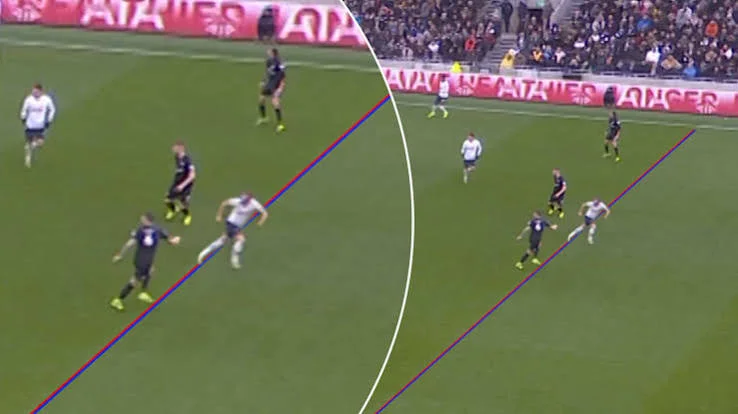
The Canadian Premier League tested the rule across the 2026 season. Under Wenger’s “daylight” proposal, an attacker would be onside if any part of their body was level with the second-last defender. Across 112 matches, offside decisions fell by 54%, while the trial was estimated to have produced 13 more goals. Those figures suggest the rule did what its advocates would want on the narrow measures of flags and scoring. They don’t settle the broader question: whether the change makes matches more open, or simply prompts teams to defend differently.
Defensive lines moved deeper
The attacking gains came with a tactical shift: defensive lines dropped an average of three metres as teams adapted to the extra space. That adjustment is a practical response to the new risk. If a defender holds a high line, attackers have more room to time their runs and stay level under the proposed definition; retreating reduces that exposure, but gives the opposition more space to build attacks. The law therefore changed the calculation for defenders even when no offside decision was being made.
Set pieces exposed the strain particularly clearly. Defenders had to retreat farther to guard against runs, changing phases of play that often hinge on a high line. A deeper starting position can affect where a team wins the ball and how quickly it can press after losing possession, so the consequences may extend beyond the moment an attacker runs behind the defence. This is the kind of tactical cost that a simple count of offside calls won’t capture.
At Tuesday’s meetings, IFAB’s football and technical advisory panels—comprising former players, coaches and referees—gave the proposal little support. The deeper defensive shape seems to have outweighed the reduction in offside calls for those assessing the trial. That’s a judgment about football’s overall balance, not just whether the rule can be applied. Here’s the thing: a law can deliver more goals and still make the game less attractive if it pushes teams into a more cautious shape.
Canada also tested Football Video Support alongside the rule. The pared-down VAR alternative gives coaches two challenges per match and helped officials handle some of the experiment’s effects. That support may have made the trial easier to manage, but it isn’t available to most leagues. The pairing matters when interpreting the results: a rule tested with an additional review option may pose different practical demands in competitions that don’t have it. (And this is the part most people overlook.) Any assessment of the offside proposal also has to account for the conditions under which it was tested.
Other proposals draw a warmer response
When the trial began in April, CPL commissioner James Johnson said Canada could put the league “at the forefront of innovation” and help shape football’s future laws. The season did provide evidence for IFAB to assess; it just didn’t make a persuasive case for Wenger’s preferred outcome. That distinction is useful. A trial can answer questions even when its results don’t support the change its organisers hoped to advance.
Two other ideas received a more positive reception. IFAB members backed changing the penalty shootout coin toss so the winning captain chooses either the end or whether to kick first, rather than potentially gaining both advantages. The proposed adjustment targets the choices available at the start of a shootout. It’s a small procedural change, but it shows the contrast in the meetings: the offside proposal would alter team tactics across a match, while the coin-toss idea concerns how a specific contest begins.
A goalkeeper-injury trial in England also drew support. When a goalkeeper receives treatment, an outfield player must leave the pitch, a measure intended to deter tactical stoppages framed as injuries. The rule has been enforced twice in 80 Premier League matches so far. That count offers an early indication of how often the measure has been used, though it doesn’t by itself show whether it has changed behaviour. The idea addresses a familiar tension in football: officials need to protect injured players, while teams can benefit from stopping play at a useful moment.
What the decision means for future changes
My read is that the CPL experiment has given IFAB a clear practical signal: fewer offside decisions and more goals weren’t enough to offset the defensive retreat. This is more significant than it looks. The trial indicates that changing the threshold for an offside call can reshape the incentives behind defensive positioning, with effects that may reach set pieces and pressing as well as runs behind the line. For a law change to gain support, reducing disputed calls may not be enough if the adaptation changes the character of play.
If you’re working in this space, the key question is what a trial is meant to improve. A lower number of offside decisions is one possible measure; the attacking opportunities created and the defensive response are others. The Canadian results put those measures in tension rather than pointing to a simple win. And yet, the trial has given IFAB something concrete to weigh: evidence from a full season that the proposed rule could increase scoring while also encouraging teams to defend deeper.
The proposal now looks unlikely to become football’s next law change. A longer trial ahead of possible 2027/28 changes appears unlikely, though the results may still inform how future proposals are judged. Fewer flags. More goals. A deeper defence. That combination is the problem Wenger’s supporters would need to answer if the idea returns.
Contact the writer of this story, Harry Ewing, at [email protected]. The trial figures and panel response form the basis of this report. Readers can use the contact link to reach the writer directly.