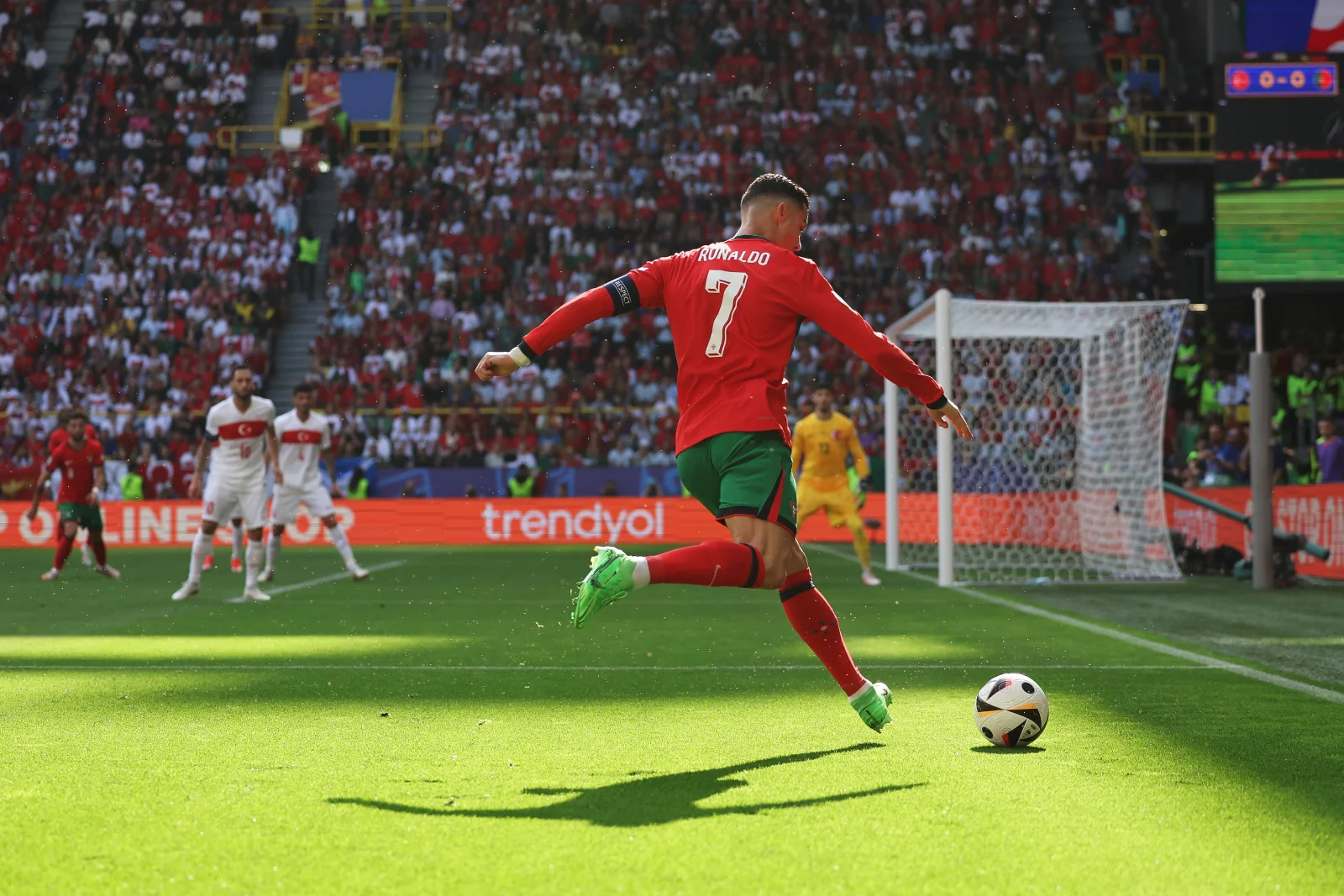
The numbers, and the question behind them
Cristiano Ronaldo’s Portugal career ends with numbers that may stand for years: 146 goals in 234 appearances, both men’s international records. Those totals measure extraordinary longevity as well as scoring, but they don’t answer the harder question: why did Portugal keep building around him after his influence on the pitch began to fade? Records can explain why a player earns a place in a team. They can’t, on their own, explain when that place should end.
After 23 years with the national team, the 41-year-old announced his retirement in an Instagram video on November 6. The timing came a day before coach Jorge Jesus was due to name his squad for Nations League matches against Denmark and Wales, making the announcement immediate news for both the team and its supporters. Ronaldo and Jesus previously worked together at Al-Nassr in Saudi Arabia, but their relationship has since soured. That history gives the timing an extra edge, though the announcement itself doesn’t establish what prompted it.
Ronaldo framed the decision as a return of something shared with the country, not a claim to ownership. “To the Portuguese people, the day has come to hand back the number seven shirt of the national team that belongs to us all,” he said. “I never felt it was exclusively mine.” His message also looked beyond the tally of goals and trophies: “Goals come and go, trophies end up in museums, and records are eventually broken. But there is one thing that time can never erase: the place we hold in people’s hearts.” It’s a polished farewell, but it points to a real distinction: a player’s statistical record can be counted, while the meaning supporters attach to it is harder to measure.
A record career, and a difficult final stretch
His exit follows a 30-day suspension and a €255 fine after he walked out of the squad when left on the bench against Norway. Ronaldo apologised to his teammates, but not to Jesus. The episode puts the tensions around his late-career role into sharper focus: a place in the starting lineup had become a question of selection and authority, not simply of what his past achievements deserved. Portugal’s football federation called him “the greatest player of all time” and said it would arrange a fitting tribute. That recognition honours what he gave the national team; it doesn’t settle whether the team waited too long to change its approach.
The contrast between Ronaldo’s early promise and his later years is striking. I watched him as a 19-year-old at the Euro 2004 final in Lisbon, crying after Greece beat Portugal. His speed, tricks and nerve made him look capable of taking on anyone, and the young forward seemed to embody a team still reaching for its first major international title. At Euro 2024 in Germany, he missed a penalty against Slovenia and cried again. By then, the physical edge had slipped, yet Portugal’s attack still revolved around him. The team paid for that imbalance. That’s the hard part of a long international career: the qualities that once made a player indispensable can remain vivid even as the team’s needs change.
Ronaldo’s self-belief helped make him one of football’s greats, and it may also have made it difficult for him to step away. The greater responsibility sits with the coaches and federation that continued selecting him on reputation. In a national team, where training time and competitive matches are limited, choosing a celebrated veteran also shapes the opportunities available to others. Fernando Santos dropped him at the 2022 World Cup; Gonçalo Ramos scored a hat-trick in his place. That could have been the turning point. Instead, Ronaldo remained central through another European Championship and another World Cup. This is more significant than it looks: the decision wasn’t only about one striker’s minutes, but about whether Portugal would make room for a different centre of attack.
Portugal’s next centre of gravity
Portugal has the depth to move on. Rafael Leão, Ramos, Vitinha, João Neves and Nuno Mendes could have formed the team’s core years ago. Their challenge now is to make that talent the focus, rather than treat Ronaldo’s departure as the only change required. A new lineup won’t automatically create a new team identity; coaches will have to decide how these players fit together and where responsibility for creating and finishing chances should sit. Here’s the thing: changing the names on the team sheet is the easy part. Establishing a shared plan takes time and repeated choices.
If you’re working in this space, the question is how quickly Portugal can turn a roster of prominent young players into a functioning unit. Similar teams often have to redistribute leadership as well as minutes when a defining player leaves. That can open space for others, but it can also expose how much of the team’s structure depended on one familiar figure. And yet, there’s no need to frame the transition as a rejection of Ronaldo’s contribution. Portugal can honour what he achieved while judging future selections by what the team needs now (and this is the part most people overlook).
He will continue playing for Al-Nassr, with 985 career goals and the 1,000 mark in view. That milestone remains a personal target; Portugal’s immediate task is different. The team has reached the moment its coaches should have faced sooner: building around the players who can carry it next. A record-setting farewell closes one chapter. It doesn’t tell us whether the next one will work.
For questions about this story, contact the writer at [email protected].